Crete is often referred to as a whole “continent on an island”. Here are some reasons behind:
50,000+
years of human history
100+
gorges & geologic formations
6000+
endemic species
Long diverse cultural history
Crete, and its islet Gavdhos, have a human history that goes back to the Paleolithic, at least 50,000 years ago and possibly even 150,000!
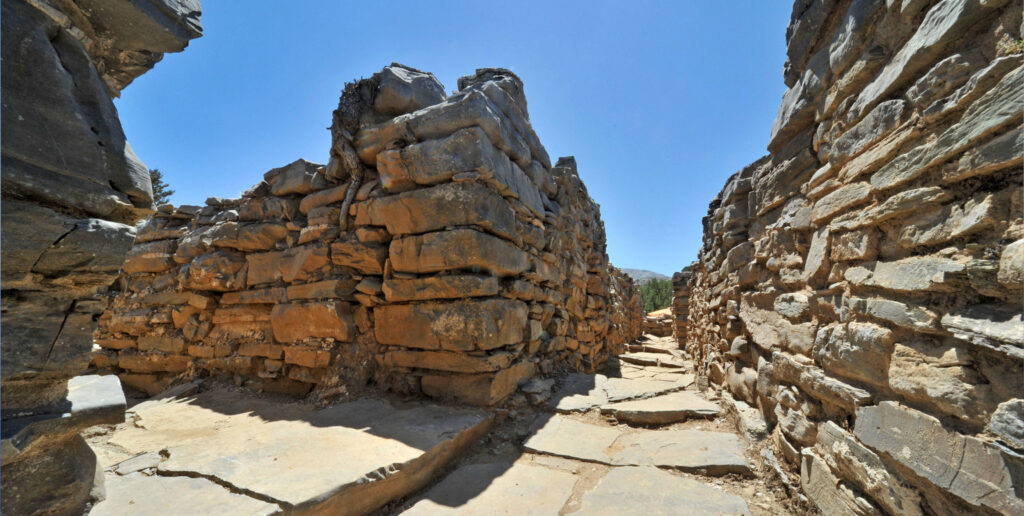
Since the Neolithic, some 9000 years ago, the island has been continually inhabited. Many civilizations have risen and fallen here but the most famous is the Minoan culture which flourished during the Bronze Age, between 3000-1000 BC.
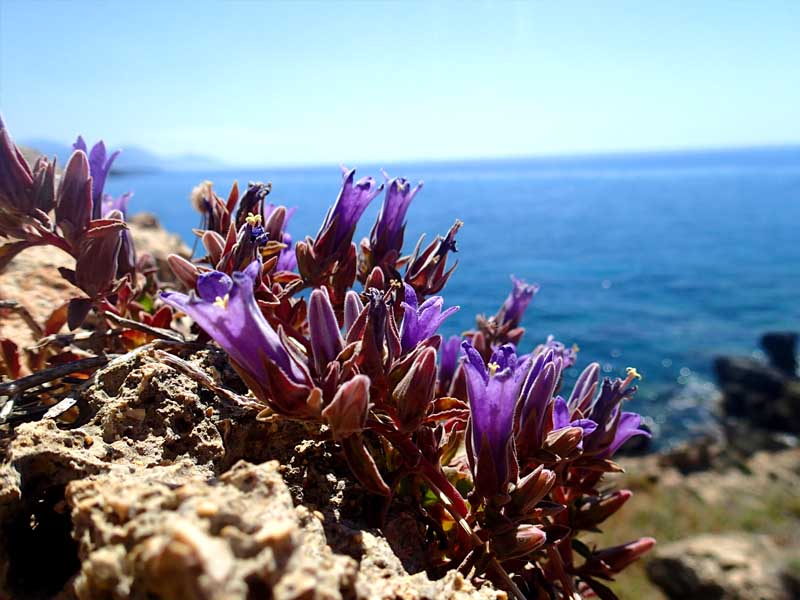
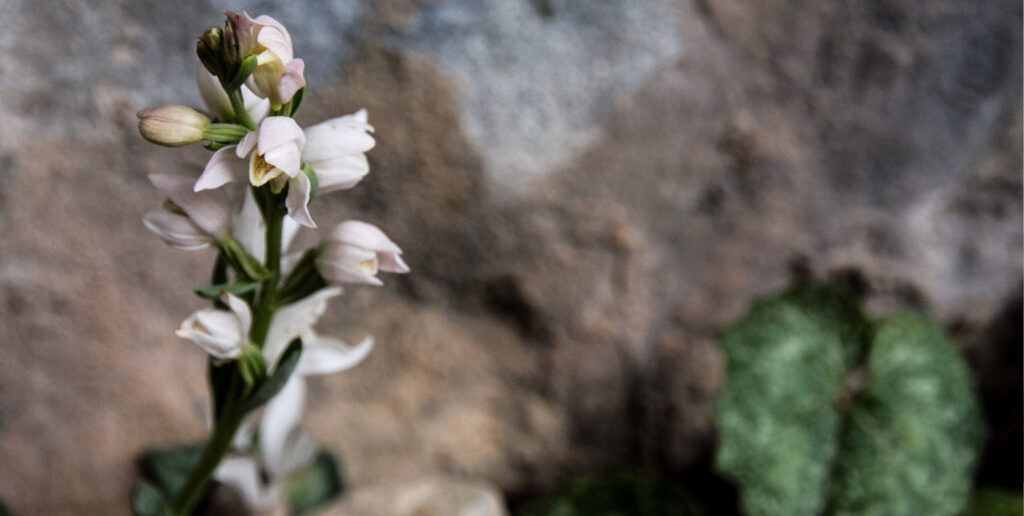
Its endemic vegetation, found nowhere else in the world, is unique and makes the island a hotspot for environmental diversity. There are endemic fauna that survive today too, especially invertebrates, reptiles and insects. The reason for this unique diversity lies in the fact that Crete has been separated from the Eurasian mainland (either by water or salt deserts) for 12 million years, and from time to time was itself separated into smaller islands for hundreds of thousands of years.
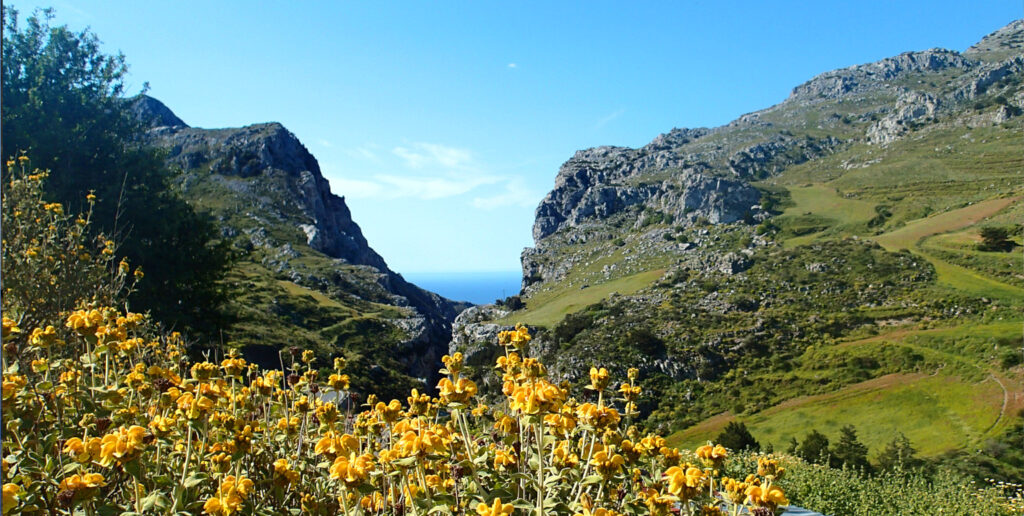
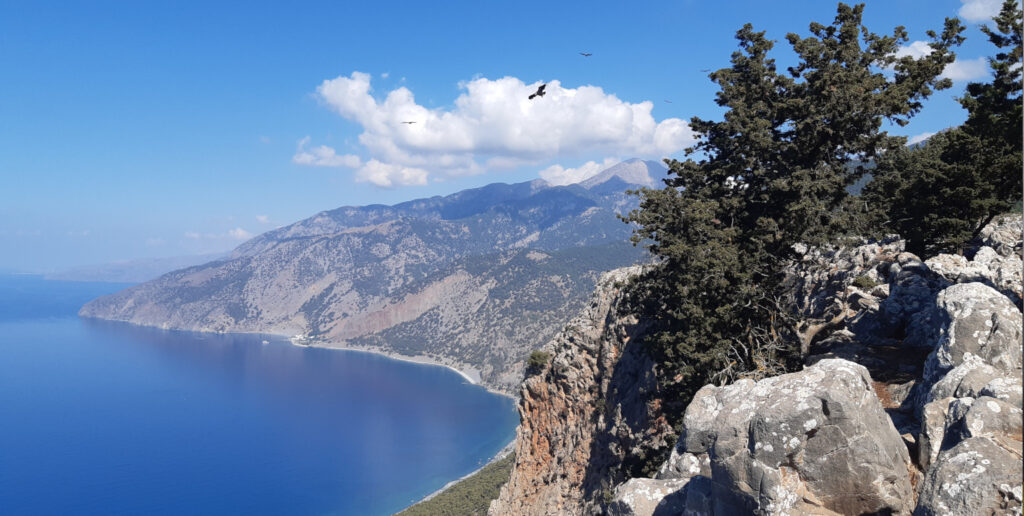
The 2000+ meter high mountains combined with precipitous coasts, and 100+ stunning gorges make Crete a varied and beautiful island, worth to visit on foot. Situated on the leading edge of the Eurasian plate the island has had (and continues to have) a tumultuous tectonic history. But it is this history that created the magnificent topography.
see also https://switzerlandtravel.swisshikingvacations.com/food-in-crete/
The core of the Cretan cuisine consists of food derived from plants, whereas food of animal origin was more peripheral in nature. In general, people consumed seasonal products, available in the wider local area, which underwent minimal processing or none at all.